
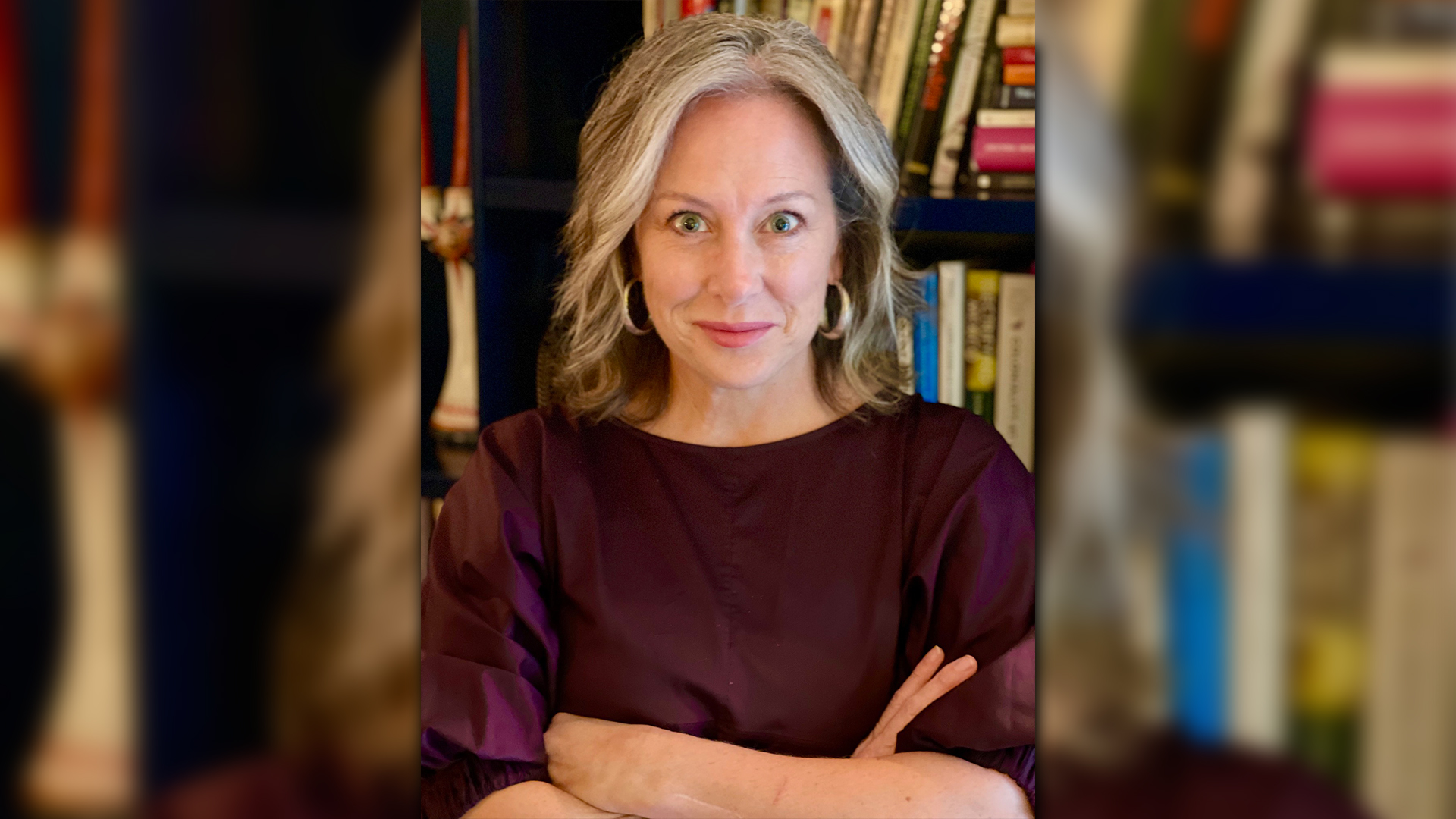
History professor Bianca Premo has been named a National Humanities Center Fellow for 2026-27 and will spend the year in North Carolina completing her book Peru’s “Youngest Mother in the World” and the Ethics of History for the University of North Carolina Press. The book examines the troubling case of a young Peruvian girl who gave birth at the age of five in 1939.
In it, Premo explores the measures taken by doctors, entertainment promoters and the Peruvian government to control access to the girl and her case in the 1940s, her subsequent disappearance from the public except as a curiosity, and her 21st century reemergence as an online sensation and national posterchild of sexual abuse.
“This book turns a lens on those who’ve crowded around the girl and commandeered her story, from 1939 to today, including us, as horrified yet curious spectators. It shows how a variety of people have used this girl for different causes in different eras and asks what obligations today’s scholars have to retell stories of vulnerable subjects in a world of democratized media,” Premo said.
Premo was selected to join this prestigious group of 29 NHC Fellows coming together from 15 US states, the District of Columbia and Ghana. The Fellows’ research interests include humanistic scholarship range from disciplines including art, anthropology, literature, and archaeology among many more subjects. Each Fellow at the Center works on their individual research project and shares ideas in seminars, lectures and conferences at the center. The 2026-7 group of Fellows is the forty-ninth class of resident scholars to be admitted since the Center opened in 1978.
“Dedicated time at a center like this is a rare luxury for humanities scholars. It will permit me to produce the kind of careful study about this sensitive topic,” Premo said.
At the Steven J. Green School of International & Public Affairs, Premo’s research has until now focused on Latin American law in the Spanish colonial period. She’s also been at the forefront of the history of childhood, a relatively new and vibrant field with surprising ramifications for how we view the past. This project now draws her into the study of the 20th and 21st centuries and expands her expertise on an array of topics, including medicine, human rights law, and the “right to be forgotten” in the digital age.
In addition to her support as a National Humanities Center Fellow, she has also received support from several highly competitive grants and fellowships for research on this project, including a John S. Guggenheim Fellowship.
Created in the 1970s by two academics, the National Humanities Center continues to thrive and remains the only major independent institute for advanced study in the world dedicated to the humanities. Since its inception, over 1,600 Fellows have worked in residence here. Collectively, they have produced nearly 1,800 books, as well as numerous other scholarly works. Many of their books have not only won the most prestigious awards in their fields but helped shape thinking across disciplines.